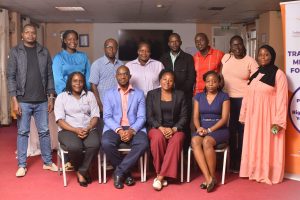
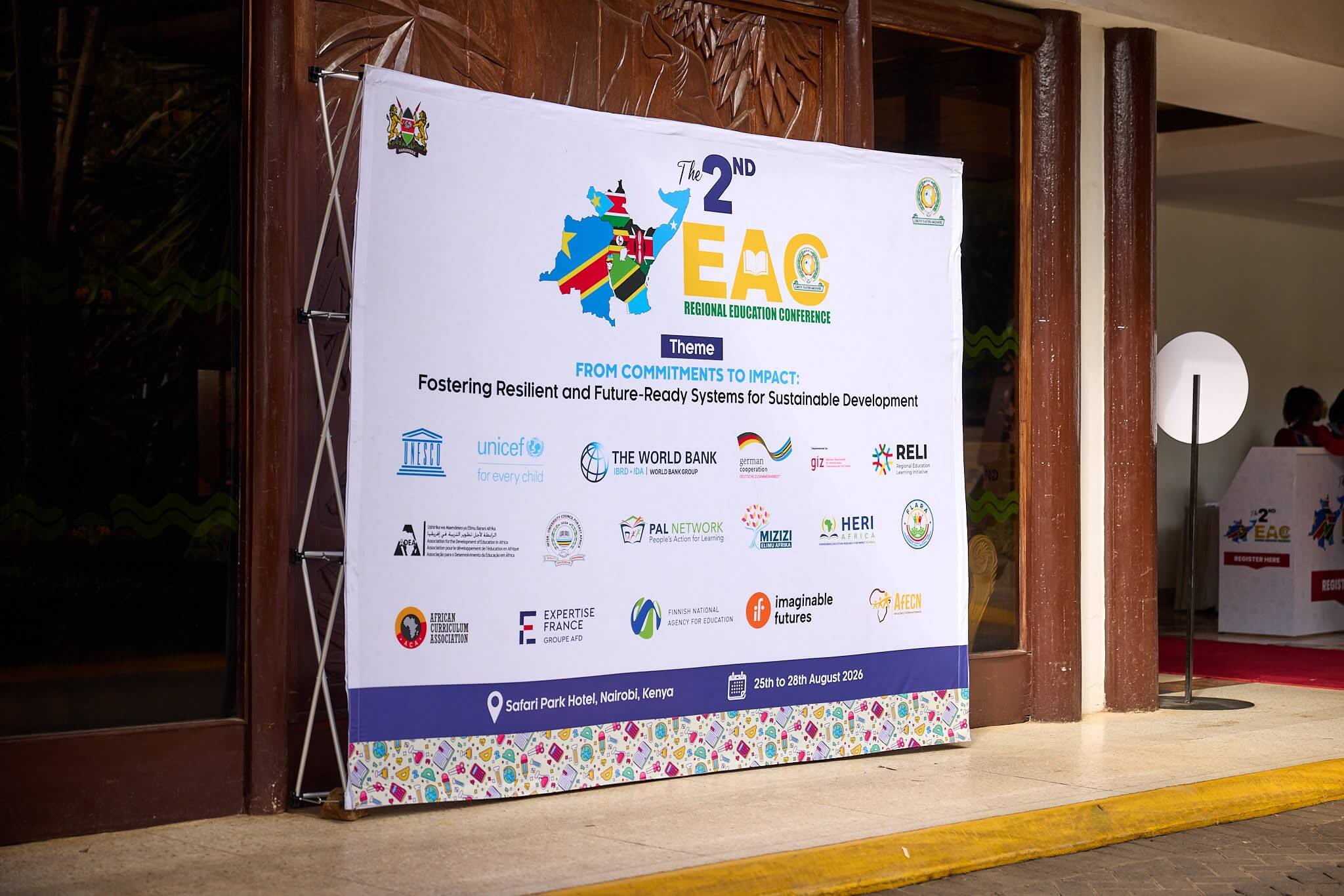

Trailblazers Mentoring Foundation (TMF) joined education leaders, policymakers, researchers, development partners, civil society organizations, and practitioners from across East Africa at the 2nd East African Community (EAC) Regional Education Conference (EACREC 2026) held at Safari Park Hotel, Nairobi, Kenya. The conference was convened under the theme “Transforming Education in East Africa: From Commitments to Impact, Fostering Resilient and Future-Ready Systems for Sustainable Development.”
The regional gathering provided a platform for stakeholders to share evidence, exchange experiences, and identify practical strategies for strengthening education systems across the East African Community. Discussions focused on foundational learning, inclusive education, teacher development, education financing, digital innovation, skills development, evidence-based decision-making, and regional partnerships.
As part of the conference, TMF contributed to critical conversations on equitable access to education and the barriers that continue to prevent vulnerable girls from enrolling, remaining, and succeeding in school.
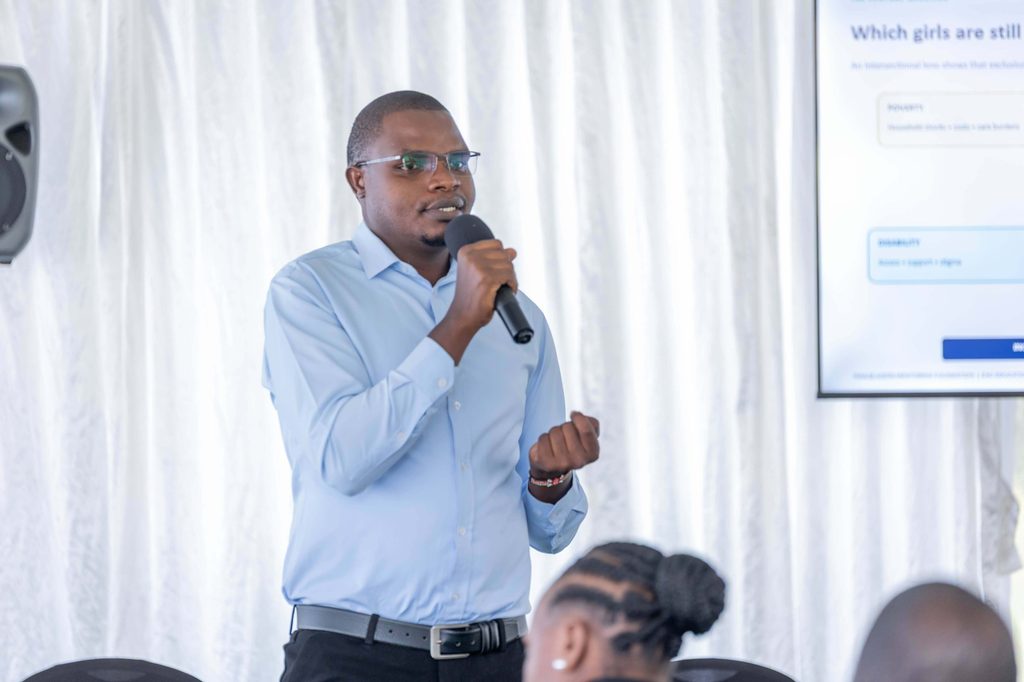
Presenting Evidence on Girls’ Education and Household Economic Strengthening
TMF presented a paper titled:
“Beyond School Fees: Household Economic Strengthening as a Strategy for Girls’ School Retention in Uganda.”
Drawing from TMF’s implementation experience and evidence generated through its girls’ education programming, the presentation highlighted that while school fees remain a significant barrier, they are not the only factor affecting girls’ retention and learning outcomes. Household poverty, social norms, caregiving responsibilities, inadequate parental support, menstrual health challenges, and limited economic resilience continue to undermine girls’ educational participation.
The presentation demonstrated how integrated interventions that combine mentorship, household economic strengthening, parental engagement, life skills development, and educational support can significantly improve girls’ attendance, retention, transition, and completion rates.
TMF shared evidence from its Girls Empowering Girls and other community-based programmes, illustrating how strengthening household livelihoods creates a more supportive environment for girls to remain in school and achieve their educational aspirations.
Contributing to Regional Dialogue on Inclusive Education
TMF also participated in discussions under the conference sub-theme on Inclusive Education for Vulnerable and Marginalized Learners, where stakeholders examined practical pathways for ensuring that no learner is left behind.
The Foundation contributed evidence and lessons on reaching girls facing multiple vulnerabilities, including poverty, adolescent pregnancy, child marriage, disability, and school-related gender barriers. Participants emphasized the importance of addressing both school-based and household-level challenges if East Africa is to achieve equitable educational outcomes for all learners.
A key message emerging from TMF’s engagement was that education systems must adopt holistic approaches that address the social, economic, and wellbeing needs of learners, particularly girls from vulnerable households.
Spotlight on Early Childhood Development
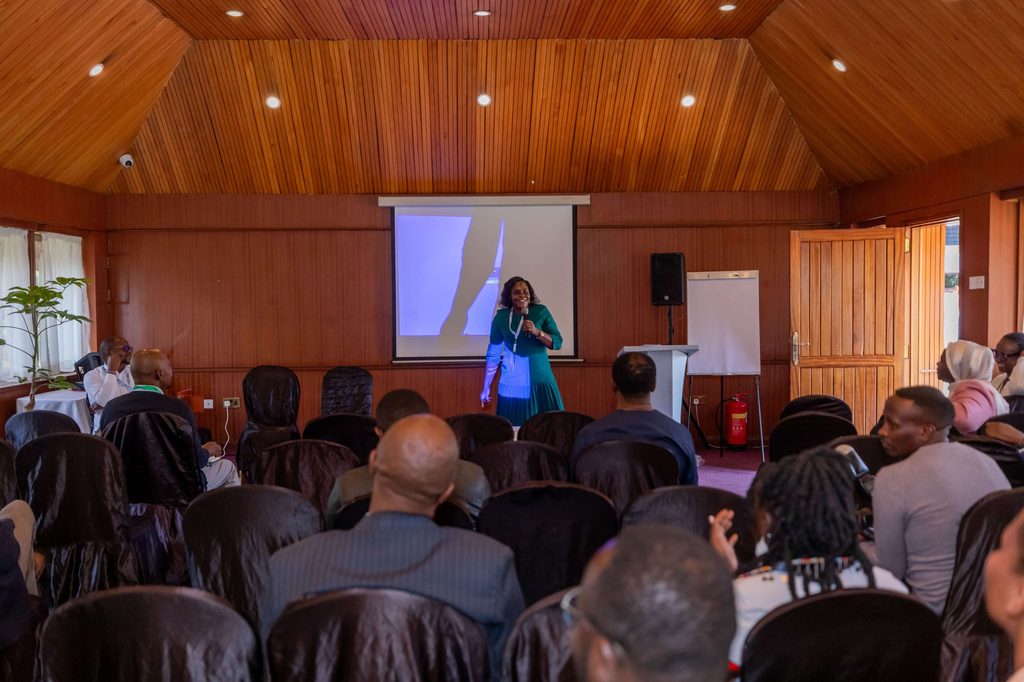
TMF’s Executive Director also presented on:
“Are We Intervening Too Late? The Role of Early Childhood Development in Foundational Learning.”
The presentation highlighted the critical role of Early Childhood Development (ECD) in shaping lifelong learning outcomes and called for greater investment in early years interventions. Discussions underscored the need for governments and development partners to strengthen ECD systems as a foundation for improved literacy, numeracy, school readiness, and future educational success.
The session reinforced growing regional recognition that investments in foundational learning must begin long before children enter primary school.
Learning, Partnerships and Regional Collaboration
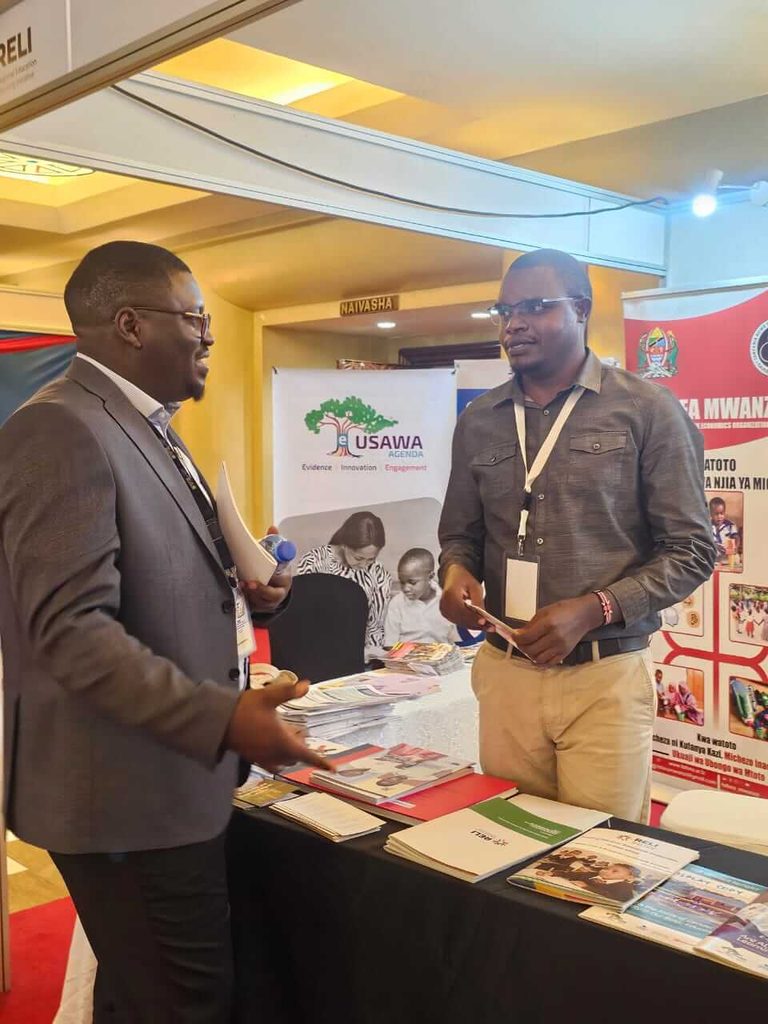
Beyond presenting evidence, TMF used the conference as an opportunity to engage with policymakers, researchers, donors, and fellow practitioners from across the region. The Foundation participated in knowledge-sharing sessions, networking engagements, and discussions on scaling evidence-based approaches that can improve learning outcomes for vulnerable children and adolescents.
The conference reaffirmed the importance of regional collaboration in addressing shared education challenges and translating policy commitments into measurable results for learners. Participants collectively emphasized the need to strengthen partnerships, improve accountability, increase investment in education, and ensure that evidence informs policy and programming decisions.
Looking Ahead
TMF remains committed to advancing inclusive, equitable, and quality education for all children, particularly girls and vulnerable learners. The Foundation will continue generating evidence, strengthening community-led solutions, and working with governments, development partners, schools, and communities to remove barriers that prevent children from accessing and completing education.
Participation in EACREC 2026 provided an important opportunity for TMF to contribute Ugandan experiences to regional learning while drawing valuable insights from peers across East Africa. As the region moves from commitments to impact, TMF stands ready to support efforts that ensure every child—especially every girl—has the opportunity to learn, thrive, and reach their full potential.